
Collectibles & Retro Guides
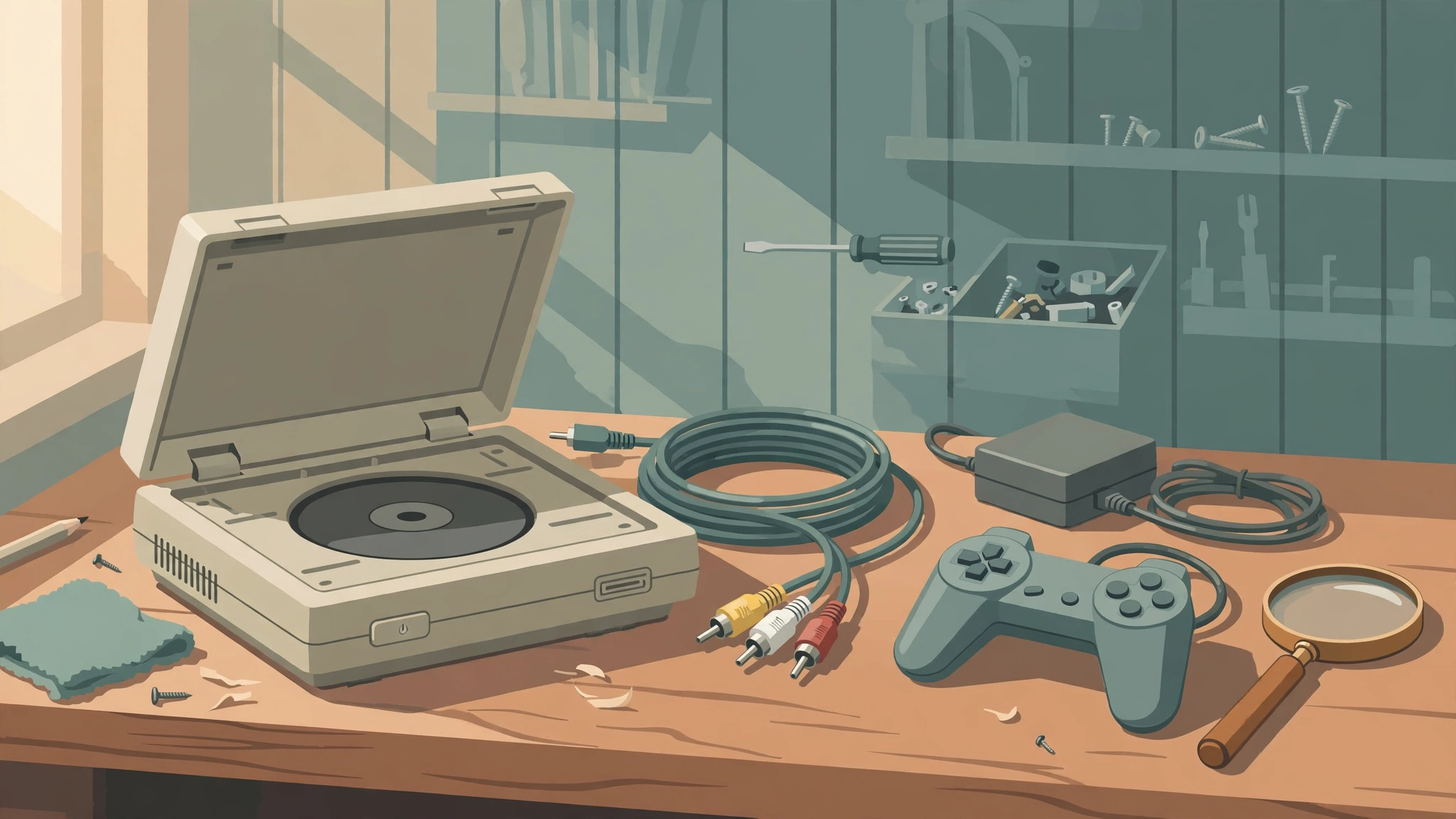
Never pay a tested price for an untested system. A used retro console is decades-old electronics with no self-diagnostics and no error codes, so “works” has to be checked layer by layer: it powers on, produces stable video and audio, loads and plays a game, and keeps working for fifteen to twenty minutes — on […]

Buy the handheld that plays your games — not the one with the longest compatibility list. Write down the systems and the five or so games that would make or break the purchase, then check each candidate against that list: does the screen shape fit those games, do the controls suit them, and is there […]
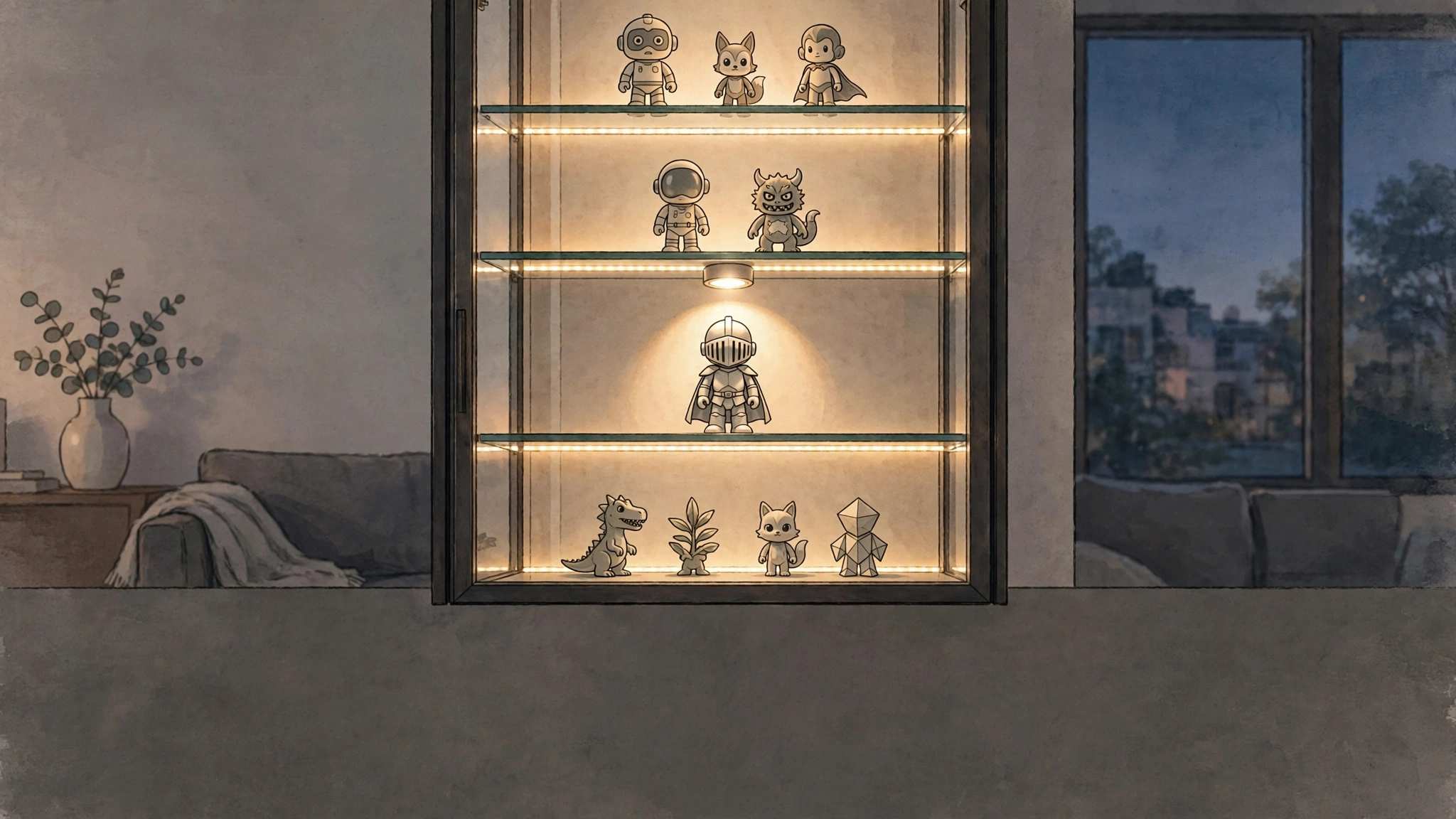
Two light formats cover almost every display cabinet: LED strips for even light across a full shelf, and puck lights to spotlight a single piece. Neither is universally better. The right choice depends on what you want the light to do — wash a whole shelf or pick out one figure — and the right […]

A riser is a small decision that changes the whole shelf: it lifts the back row above the front row so every figure can be seen, instead of hiding behind the one in front. Choose it by measurement, not by eye. Measure the base of each figure and the depth of the shelf, work out […]

An acrylic case and a glass case can look almost identical on a shelf — clear panels, a base, figures inside. The difference shows up later: when you lift the case to rearrange a figure, when you wipe it for the tenth time, when it gets knocked, and when you check whether the “UV protection” […]

A good figure display starts with a tape measure, not a shopping cart. Measure the tallest point of each figure and the footprint of its base, check what the shelf can hold and fit, then arrange tallest at the back and shortest in front, with room to breathe. Enclosed cabinets cut dust and bumps; open […]