

Cordless Stick Vacuum vs Robot Vacuum: Which Fits Your Home?
Hero image: AI-generated editorial illustration; not an exact product depiction.
A robot vacuum keeps the floors tidier day to day with less of your time, once the floor is clear and the machine is looked after, and a cordless stick cleans the things a robot reaches poorly or not at all — stairs, upholstery and edges — and gives you manual control on carpet, when you pick it up. If your home is mostly one level with clear, open floors and you want the daily layer handled with less of your time, the robot is the better first machine. If your home has stairs, thick carpet, or furniture and messes above the floor, the stick is the better first machine — it covers the jobs the robot cannot reach or cannot do on its own. Many homes end with both: the robot for the daily layer, the stick for the rest. Which one earns its keep first depends on your floors, your stairs, and how much of the work you are willing to do yourself.
This guide uses maker pages only: Dyson’s V15 Detect pages and Shark’s PowerDetect page for the stick side; iRobot, Roborock, ECOVACS and Dreame pages for the robot side. No prices are stated. No product was tested. Where a maker states nothing, this guide says so. One warning up front: the two types do not even state suction in the same unit. The robot makers state pascals or a relative multiple; Dyson states air watts — and the figures carry different test bases, so they cannot rank a robot against a stick. This guide compares what each machine can reach and how much work it asks of you, not the numbers on the box.
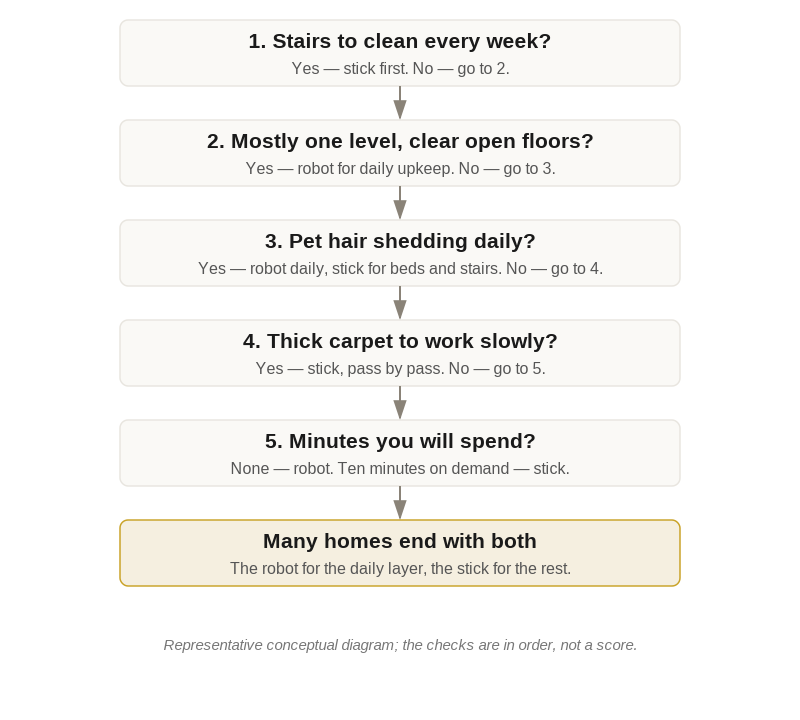
- What each machine actually does
- Effort: who does the work
- Reach: stairs, furniture and above the floor
- Floors: hard floors and carpet
- Runtime: the battery question on both sides
- Storage: floor space against wall space
- Maintenance and what wears out
- How to decide
- FAQ
- Sources
What each machine actually does
A robot vacuum is an autonomous disc that cleans the floor on a schedule and returns to its dock to recharge. How well it covers the floor depends on how it finds its way — random, camera or LiDAR — and whether it saves a map: a saved map lets you send it to one room and set keep-out zones, while a random-navigation model has no saved map and no recharge-and-resume. The navigation types, the map and the suction figures are covered in full in our robot vacuum buying guide, so this guide does not repeat them. The robot’s strength is frequency: light dirt picked up every day builds up more slowly — but only where the robot can actually reach, and only if the floor is kept clear and the machine is maintained; a schedule does not guarantee fully clean floors. Its limits are reach and power: it cannot climb stairs, it cleans corners with a side brush rather than a nozzle you aim, and on thick carpet its result depends on the model’s carpet compatibility.
A cordless stick is an upright-format machine you push: a motorised cleaner head on a wand, a battery, and a bin you carry in your hand. Its strength is control and reach. You decide where to spend the effort, how long to stay on one patch, and when to switch modes — and the same machine, where the maker states the tools for the exact model, does stairs, upholstery and mattresses. Dyson states for its V15 Detect that the machine “Transforms to a handheld in seconds” and that its Hair screw tool cleans mattresses, upholstery and stairs — that conversion is stated for this model only, not for sticks in general. Shark’s PowerDetect page states a different strength: an auto-empty dock that empties and charges the vacuum after each use and holds up to 45 days of dirt and debris. The stick’s battery limits each continuous run; a compatible spare battery can extend the session on models that support swapping.
Effort: who does the work
The robot asks for less effort while it cleans, and steady effort between cleans. Once it is scheduled, it runs on its own — but you clear the floor first, because cables, socks and toys stop it, and you empty the bin or the dock, clean the brushes of wrapped hair, and wipe the sensors; a schedule does not guarantee fully clean floors, and coverage depends on the model. The stick asks for most of the effort in the session, and still needs care between sessions: you push it for ten minutes, empty the bin, and put it back on its dock — and the filter, brush roll, bin and battery contacts need cleaning or checking over time. A 2.74 kg stick — the total weight Dyson states for its V15 Detect Absolute (Gold) variant — is not all held in your hand during floor use: the cleaner head carries part of it, so the in-hand load is less than the total mass and changes with the wand angle and the job, and a heavier machine still shows up in your arm before it shows up anywhere else. The trade is not effort against no effort. The robot shifts the work from cleaning to maintenance oversight; the stick concentrates it into the minutes you spend pushing. Which trade you prefer is a habit question, not a spec question: if you will not pick up a vacuum every day, the robot’s schedule is worth more than the stick’s power; if you clean in bursts when something spills, the stick’s immediacy is worth more than the robot’s schedule.
Reach: stairs, furniture and above the floor
Stairs are the hard wall in this decision. No maker page checked describes a robot vacuum climbing stairs. iRobot’s placement guidance keeps the dock at least 1.2 metres from any stairs — the robot treats stairs as a hazard, not a surface. If stairs are part of your weekly cleaning, a stick is not optional: it is the only one of the two that climbs them. On the Dyson V15 Detect, the maker states the Hair screw tool is for mattresses, upholstery and stairs, and the machine converts to a handheld for those jobs. That is a stated fact about this model, not a general claim about sticks — check the maker page for the exact model before assuming any stick converts.
Above the floor, the same split applies. A robot cannot leave the floor: no shelves, no sofa cushions, no mattress. A stick with the tools stated on its maker page does those jobs — Dyson states its V15 Detect cleans “all floor types, hard-to-reach places, mattresses, sofas and stairs”. At the edges, the robot relies on a side brush to sweep debris toward its intake; a stick lets you point the nozzle itself at the corner, the skirting board and the gap between the sofa and the wall. The robot’s answer to a mess is a scheduled pass — or, on models that support it, a spot or room clean sent from the app; the stick’s answer is to stay on it until it is gone, and it is usually quicker to pick up for a one-off mess.
Floors: hard floors and carpet
On hard floors both types do the daily job, and the difference is edges and frequency. A robot picks up dust and crumbs every day from open hard floor; a stick does the same pass plus the edges, the corners and the grout lines you point it at. On carpet the split widens. The robot makers that state it give their robots a carpet boost: Roborock states its Q7 L5+ automatically detects carpeted areas and increases suction, and Dreame states automatic carpet detection with a suction boost for its L10s Ultra. A stick with a motorised head lets you work a carpet patch slowly, pass by pass — manual control over where the effort goes — but no maker page checked states a measured deep-clean result for either type, so this guide claims no measured carpet advantage for either. What the pages do support is a different check: the threshold between rooms. ECOVACS states its N20 PLUS scales 20 mm thresholds, and Dreame states a 2 cm threshold crossing for its L10s Ultra. A robot that cannot climb a step will clean one room and stop at the next; a stick has no threshold at all, because you carry it over.
Runtime: the battery question on both sides
Every runtime figure is stated under conditions, so none of them rank the two types against each other. On the stick side, Dyson states up to 60 minutes for its V15 Detect, with the footnote that the figure applies in Eco mode on hard floor and that actual run time varies with power mode, floor type and attachments. Shark states up to 70 minutes for its PowerDetect, measured at the handvac in ECO mode. On the robot side, Roborock states up to 150 minutes for its Q7 L5+ with the mode unstated, Dreame states 210 minutes vacuuming only in Quiet Mode for its L10s Ultra, and ECOVACS states 300 minutes for its N20 PLUS, covering up to 550 square metres on a single charge in its own lab test. Three robot figures, three test bases, three modes — and these published figures use different conditions and do not establish a category-wide runtime ranking.
What matters more than the headline minutes is what happens when the battery runs out. A robot with recharge-and-resume returns to its dock, recharges and continues where it left off — iRobot’s saved-map models do this. A stick does not resume on its own: when its battery ends, you stop — unless the model takes a compatible spare or swappable battery, as Dyson’s V15 Detect does with its click-in battery — and the charge takes 4.5 hours on Dyson’s V15 Detect spec table and 6 hours on Shark’s PowerDetect spec table. Boost mode drains a stick fastest — Dyson’s three modes are Auto for balance, Eco for longer runs and Boost for short, intensive cleaning — so read the minutes at the mode you will actually use, not the longest number on the page. Both types run on lithium-ion batteries, and Shark’s own support pages note that, like all lithium-ion products, the battery will naturally decrease in capacity over time. Dyson’s V15 Detect has a click-in battery you can remove and replace; Shark’s PowerDetect ships with one battery included.
Storage: floor space against wall space
A robot dock takes floor space, and the clear zone in front of it takes more. iRobot’s support page states at least 0.5 metres clear on each side of the Home Base and at least 1.2 metres in front, with no furniture in that area, plus 1.2 metres from any stairs. The dock itself varies: Dreame’s L10s Ultra base station measures 423 x 340 x 568 mm — a tower, because it washes and dries the mops — while Roborock’s RockDock Plus measures 8.35 x 7.01 x 10.20 inches and only auto-empties. If the home is small, the dock spot is the first measurement, and our small-apartment guide works through the clearance zone, the under-furniture height and the noise in one shared room.
A stick takes wall space or a corner instead. Dyson’s V15 Detect drops into a wall-mounted charging dock, ready for the next clean — it takes wall space and clearance below it rather than floor space, so check the installed clearance before you buy. Shark’s PowerDetect stands on its auto-empty base, which charges and empties the vacuum after every clean and holds up to 45 days of dirt and debris. The base is a floor object, like a robot dock, but it earns its floor space differently: it empties the stick for you, while a robot dock empties the robot. Measure the spot before you buy either: a robot dock needs a level surface against a wall with clear space in front of it, and a stick needs a wall or a corner it can stand in without blocking a walkway.
Maintenance and what wears out
Both types need regular care, and the lists are short but different. A robot needs its brushes cleared of wrapped hair, its sensors and charging contacts wiped, and its bin or dock emptied. The dock decides how often: iRobot states its AutoEmpty docks hold up to 75 days of debris, Roborock states its RockDock Plus bag lasts up to 7 weeks, Dreame states up to 60 days from a lab calculation, and ECOVACS states a bagless container with no days figure at all. Different bags, different tests, one bagless — the days figures are not comparable, and this guide does not rank them. The one maker-stated replacement interval found anywhere in this research is iRobot’s filter every 3–6 months; no other maker page checked states a filter or brush interval, so for every other model the owner’s guide is where the buyer should look.
A stick needs its bin emptied, its filter washed or replaced, and its battery looked after. Dyson states hygienic bin ejection in one action and a washable filter and Fluffy brush bar; Shark’s PowerDetect empties itself into its base after every clean and uses felt plus washable foam pre-motor filters with a HEPA post-motor filter. Neither stick page checked states a filter replacement interval. The consumables differ by design: a robot with a dock bag means buying bags, a bagless dock or a stick means emptying and washing a container yourself. The battery is the part that ages on both types — so check replacement and service availability for the exact model before you buy; a replaceable click-in battery like Dyson’s is one option to look for.
How to decide
Swipe horizontally to compare all columns.
| Robot vacuum | Cordless stick | |
|---|---|---|
| Your effort | Scheduled; you clear the floor and empty the bin or dock | You do the cleaning, every session |
| Storage | Dock on the floor, plus a clear zone in front of it | Wall dock or a corner; some bases auto-empty |
| Reach | Open floor only; cannot climb stairs | Stairs, upholstery, shelves, mattresses — where the maker states the tools for the exact model |
| Floors | Daily maintenance on hard floors and low carpet; carpet boost on the models that state it | Manual control on carpet with a motorised head; edges and corners by hand |
| Stairs | No — treats stairs as a hazard | Yes — as a handheld job where the maker states the conversion, such as the Dyson V15 Detect |
| Maintenance | Brushes, sensors, filter, dock bag or container | Bin, washable filter, battery |
Work through five checks in order, and the answer usually decides itself.
1. Count the stairs. Any stairs you clean every week point at a stick first — a robot cannot climb them, and no maker page checked describes one doing so. A home with no stairs skips this check entirely.
2. Count the levels and the open floor. Mostly one level with clear, open floors points at a robot for daily upkeep: it runs on schedule, and light dirt builds up more slowly where the robot can reach it — with the floor kept clear and the machine maintained. Cluttered floors, tight rooms and furniture everywhere point at a stick, because you can aim it where the robot would get stuck.
3. Count the shedding. A pet that sheds daily on open floors points at a robot running every day, with the brush designs the makers state — Roborock’s anti-tangle main brush, ECOVACS’s ZeroTangle lab claim of 0% entanglement for hairs under 25 cm, Dreame’s rubber brush, Dyson’s anti-tangle Motorbar. Pet beds, sofas and stairs point at a stick with the tools that state it. Either way, expect to clear hair from the brush roll regularly: no maker page checked states a pet-hair pickup test result.
4. Count the carpet. Thick carpet you want worked slowly, pass by pass, points at a stick with a motorised head. Hard floors and low carpet point at a robot, which keeps them tidy between deeper cleans — and neither type has a maker-stated measured deep-clean result, so buy the reach and the routine, not a number.
5. Count the minutes you will spend. None points at a robot, if your floors are clear and within its reach — it still needs floor prep and periodic care, and a schedule does not guarantee fully clean floors; ten minutes on demand points at a stick; both jobs point at both machines. A modest robot plus the stick you already own is often the most practical setup — the robot for the daily layer, the stick for the rest.
Short version: stairs first, open floor second, shedding third, carpet fourth, your minutes last. If your floors also need mopping, that is a separate decision — our robot vacuum vs robot mop guide compares the three options by floor type. And if you have not chosen the robot itself yet, start with our robot vacuum buying guide — navigation first, then the checks here.
FAQ
Can a robot vacuum replace a cordless stick?
It depends on what you accept. A manual stick can be the only vacuum in a home if you are willing to do the work yourself every time, and a robot can be enough on its own for some accessible floors, where it reaches and the floor stays clear. A robot cannot climb stairs or clean upholstery, and it is not for wet spills unless the exact model is approved for them; a supported spot or room mode may clean local dry debris, and a manual stick can be quicker to deploy. A stick cannot clean while you are out, and it only cleans when you pick it up. They cover different jobs: daily maintenance against on-demand reach — so whether one machine is enough depends on your floors, your stairs and how much work you will do.
Which is better for pet hair?
For daily shedding on open floors, the robot: frequent scheduled cleaning can reduce hair accumulation where it reaches, with regular brush and bin care. For pet beds, sofas and stairs, the stick: Dyson states its Hair screw tool is for pet beds, mattresses and stairs, and Shark states a dual brushroll system for pet hair. Either way, expect to clear hair from the brush roll regularly — no maker page checked states a pet-hair pickup test result.
How long does a cordless stick run on one charge?
Check the mode behind the figure. Dyson states up to 60 minutes for its V15 Detect in Eco mode on hard floor, and Shark states up to 70 minutes for its PowerDetect measured at the handvac in ECO mode. Boost mode drains the battery fastest, so read the minutes at the mode you will actually use — and check whether a compatible spare battery is available; a robot with recharge-and-resume may dock, recharge and continue.
Can a robot vacuum clean stairs?
No. No maker page checked describes a robot vacuum climbing stairs, and iRobot’s placement guidance keeps the dock at least 1.2 metres from any stairs. Stairs are a manual job, and on a stick they are a handheld job where the maker states the conversion — Dyson states it for its V15 Detect.
Do I need both?
It depends on the checks above. A home with stairs, open floors and daily shedding is where both earn their keep: the robot for the daily layer, the stick for stairs, sofas and spot cleans. A home that is mostly one level with clear floors can start with the robot alone; a home where stairs dominate can start with the stick alone.
Sources
- Dyson — V15 Detect cordless vacuum, overview (up to 60 minutes run time in Eco mode on hard floor; 240 AW; converts to a handheld cleaner; Hair screw tool for mattresses, upholstery and stairs; wall dock; click-in battery; washable filter; read 20 November 2026)
- Dyson — V15 Detect Absolute (Gold), specifications (bin 0.77 L; battery runtime 60 mins; charge time 4.5 hrs; weight 2.74 kg; transforms to a handheld in seconds; three power modes; read 20 November 2026)
- Shark — PowerDetect Cordless Vacuum Clean & Empty System, model IP3251 (up to 70 minutes runtime, measured at the handvac in ECO mode; auto-empty dock holds up to 45 days; dust cup 0.7 qt; MultiFlex wand; dual brushroll; felt + washable foam filters, HEPA post-motor; charge time 6 hours; read 20 November 2026)
- Shark Support — Detect Pro cordless stick vacuum FAQs (lithium-ion batteries lose capacity over time; read 20 November 2026)
- iRobot — Roomba 105X Combo Robot + AutoEmpty Dock (up to 3 maps; mapping 10 minutes; AutoEmpty dock up to 75 days; filter every 3–6 months; read 20 November 2026)
- iRobot Support — Tips on where to place the Home Base (0.5 m each side, 1.2 m in front, 1.2 m from stairs; read 20 November 2026)
- Roborock — Q7 L5+ Robot Vacuum and Mop with Auto-Empty Dock (8,000 Pa; up to 150 minutes; RockDock Plus bag up to 7 weeks; up to 3 maps; carpet boost; anti-tangle brushes; read 20 November 2026)
- ECOVACS — DEEBOT N20 PLUS (8,000 Pa; 400 ml dustbin; 300-minute runtime, up to 550 m²; 20 mm thresholds; bagless auto-empty container; ZeroTangle; read 20 November 2026)
- Dreame — DreameBot L10s Ultra (5,300 Pa; 350 ml dust box; 210 mins Quiet vac-only; 59 dB(A) lowest noise; 2 cm threshold crossing; read 20 November 2026)
Related Posts
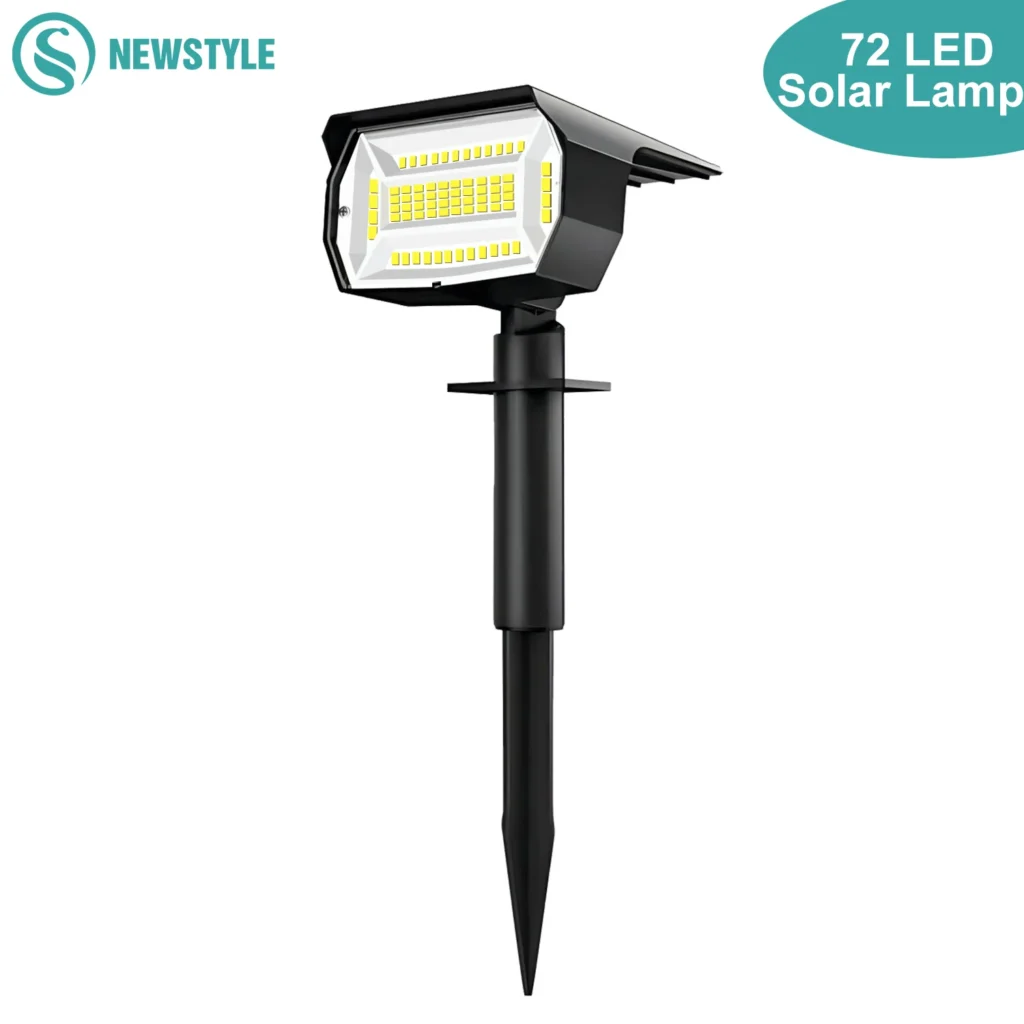
This guide covers one AliExpress listing: a 72-LED solar landscape spotlight, warm white, in the 1-piece variant. It is a buyer-check guide, not a hands-on review — LanPicks has not tested, owned, or measured this light. The direct answer is short: the listing states a solar-powered spotlight with 72 LED beads, a 1500mAh battery, 3.7 […]

This guide covers one AliExpress listing: a SHAHE stainless steel digital caliper, in the 0-150 mm (about 0-5.91 in) range variant. It is a buyer-check guide, not a hands-on review — LanPicks has not tested, owned, or measured with this caliper. The direct answer is short: the listing states a 0-150 mm stainless caliper with […]
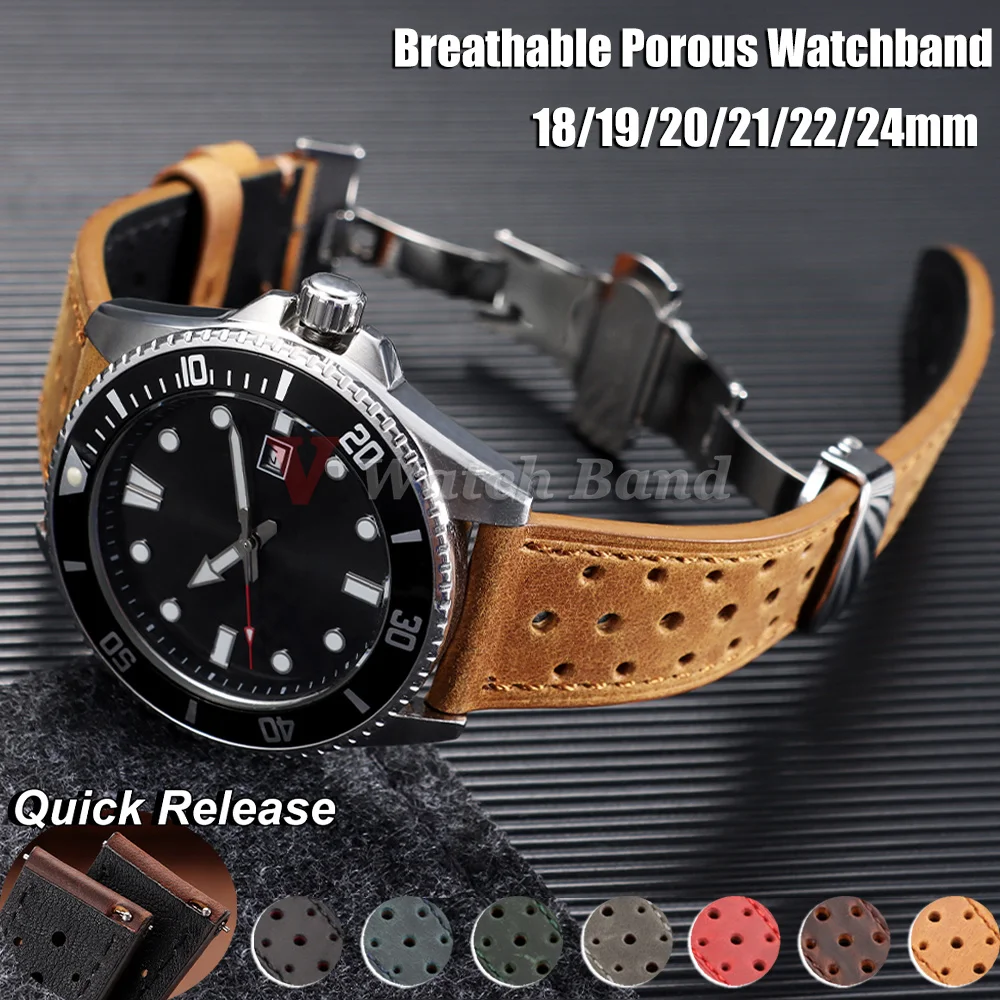
This guide covers one AliExpress listing: a vintage racing leather watch strap, in the light brown, 18 mm (about 0.71 in) width variant. It is a buyer-check guide, not a hands-on review — LanPicks has not tested, owned, or measured this strap. The direct answer is short: the strap is a perforated leather racing-style band […]
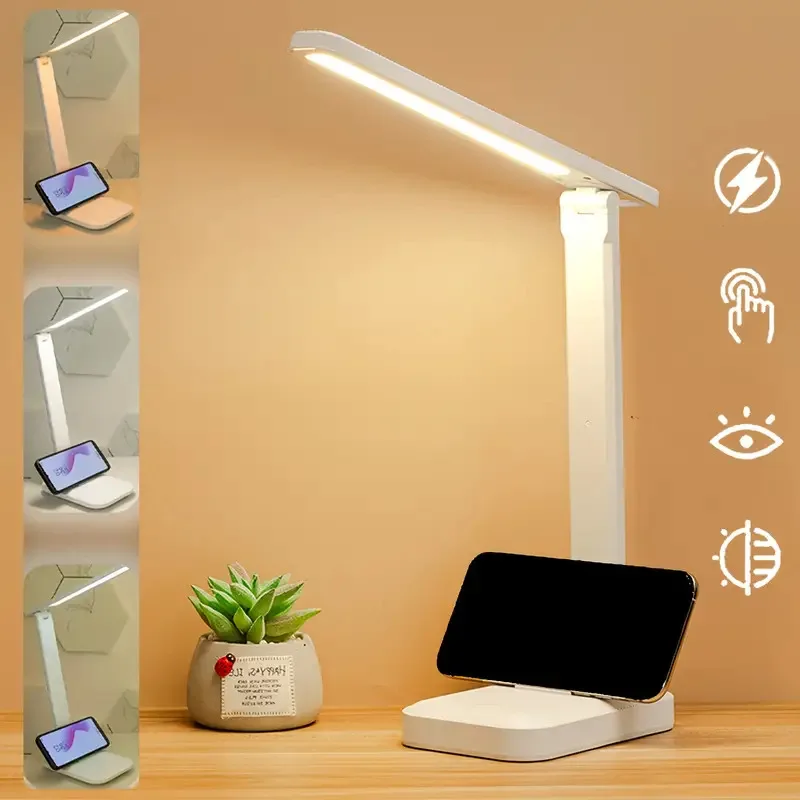
This foldable LED desk lamp is a small, USB-charged task light: it folds flat for travel, stands on a desk for reading or bedside use, and its base holds a phone or tablet. The listing states touch control, stepless dimming, three light modes (cold, warm and mixed), a rechargeable battery, and a nominal voltage of […]
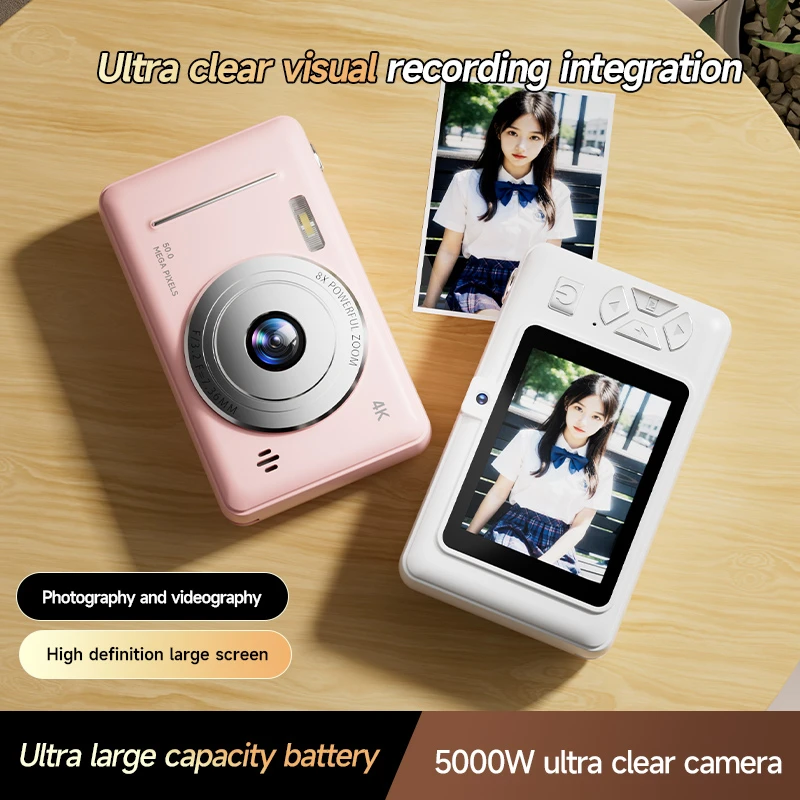
This retro-style CCD camera is a compact point-and-shoot that leans on its look: a pocketable body, a flip-style dual-camera setup, a flash, and SD-card storage. The listing states 4K video at 4096×2160, a 1/1.6-inch CCD sensor, and 2x to 7x optical zoom. It is a reasonable fit if you want a cheap, fun second camera […]