

Streetwear Accessories for Men: A Practical Starter Guide
Quick Decision
Start with function, not with a shopping list. Pick one main accessory that solves a real need — a bag because you carry things, a cap because you are outside, a chain because the outfit needs one clear detail — and keep everything else quiet. Three starter pieces cover almost every day: a plain cap, a small crossbody bag, and one personal piece, such as a thin chain, a plain ring, or a simple watch. Add pieces one at a time, wear each one until it stops feeling new, and stop at two to four visible accessories per outfit.
How this guide was researched. We checked the search results for “streetwear accessories for men” and beginner variants on 13 November 2026. The leading guides — Drip Nation, Praviceler, FashionXD, and Cotton On — agree on the same principles: one main piece, balance over volume, and restraint over collection size. This guide turns those principles into a plan instead of another list of products. We did not test any accessory hands-on, we name no specific products or brands, and no prices are given. The style illustrations here are conceptual drawings, not photographs of real outfits.
Contents
Start With Function and Context
Streetwear accessories look effortless when they have a job to do, and they look borrowed when they do not. A crossbody bag looks right when it carries your phone, wallet, and keys; it looks like a prop when it carries nothing and exists only to be seen. Start every outfit by asking what the day asks of you: what are you carrying, how long are you outside, what is the weather doing, and how dressed-up does the setting expect you to be?
Streetwear itself grew out of practical subcultures — skateboarding, hip-hop, sportswear, workwear, and youth scenes, as Praviceler’s guide puts it — and the accessories kept that practical streak. Caps shield from sun, bags carry things hands-free, and chains and rings are the small personal marks on top. When you choose by function first, the style follows: the bag you actually use every day becomes part of your look without any extra effort.
Context also means the rest of the outfit. Accessories are the finishing details, not the outfit itself. Drip Nation makes the point with a simple comparison: two people can wear the same black tee and jeans, but the one who adds a fitted cap, a clean chain, and a structured bag looks put together, while the other looks like they just got dressed. The clothes do most of the work; the accessories supply the intention. So before you reach for an accessory, look at what you are already wearing. A plain tee and straight denim leave room for a bolder cap or a chain. A loud graphic tee with bright sneakers leaves almost no room — one quiet piece is enough, and sometimes none is the right call.
Choose One Main Accessory
Every outfit gets one main accessory, and the rest support it. Choose one hero and let it lead — if your shoes are loud, keep your cap and socks clean and neutral. Praviceler gives the same rule from the other side: choose one main statement, then let the other pieces support it.
What counts as a main piece depends on the outfit. On a plain day it can be a cap with a strong color, a chain, or a bag with a clear shape. On a loud day it is usually the sneakers or the graphic tee, which means no accessory gets to be the main piece at all — the accessories stay neutral and let the clothes lead. The table below shows the usual candidates and what they ask of the rest of the outfit.
Swipe to compare all columns →
| Main piece | What it does | When it leads | Keep quiet |
|---|---|---|---|
| Cap | Adds shape and color at the top of the outfit | Plain tee, neutral colors, simple bottom half | Chain, bag, socks |
| Crossbody bag | Adds structure and a clear shape across the torso | Loose or oversized outfits that need definition | Hat, jewelry, belt buckle |
| Chain | Adds a personal detail to a plain top | Plain tee or open overshirt, quiet colors | Rings, bracelet, cap |
| Watch | Adds polish without changing the outfit’s mood | Almost any day; the safest main piece | Chain and rings — one metal family |
| Sneakers (not an accessory, but they lead) | Set the color and energy of the whole look | Bold or bright pairs | Every accessory — keep them neutral |
The table is a planning aid, not a rulebook: a piece can lead one day and support the next.
Bags and Carry Needs
A bag is the most useful streetwear accessory because it is the one you cannot fake: either it carries what you need or it does not. Start by listing what leaves the house with you on a normal day — phone, wallet, keys, and whatever else you actually carry — and let that list decide the bag. A compact crossbody suits a minimal load and a minimal outfit; it keeps essentials close and adds structure to loose or oversized clothing, which is why Drip Nation calls a black crossbody one of the most versatile streetwear accessories a man can own. A larger shoulder bag or backpack fits a heavier load and pairs naturally with oversized outerwear and relaxed denim, as Praviceler notes.
Before you buy, check the bag’s stated interior dimensions against the items you carry. Liters alone do not prove a fit — the shape of the opening, the internal compartments, and the depth of the bag decide whether a specific item goes in easily. The rule is simple: the bag should hold your daily load with a little room to spare, and nothing more.
Color is the second decision. One bag in black, grey, olive, beige, or brown works with most streetwear outfits — Drip Nation lists exactly those colors as the ones that pair easily. A loud bag can work, but only as a deliberate main piece, and only when the rest of the outfit is quiet enough to let it lead.
Wear is the third decision. A crossbody sits high on the hip or across the chest, and the strap length decides whether it reads as part of the outfit or as luggage. Adjust the strap so the bag sits where your hand falls naturally, and check that it does not bounce when you walk or pull your shirt out of shape. A bag that needs constant adjusting is the wrong bag for that outfit.
Caps and Proportion
A cap is the lowest-effort upgrade in streetwear: it adds shape, color, and personality without changing anything else you are wearing. The common types are baseball caps, snapbacks, dad hats, trucker hats, and beanies, and each one sets a different tone. A structured snapback reads bold and graphic; a soft dad hat reads relaxed; a beanie reads casual and cold-weather. None of them is universally better — the right one is the one that matches the outfit’s energy and the day’s weather.
Proportion is what makes a cap work or fail. The rule from Drip Nation is the one to remember: if your outfit is already loud, choose a simple hat; if your outfit is neutral, a hat can be the detail that adds color or attitude. A black cap works with almost everything, which is why it is the safest first cap. A colored cap works as a statement, especially when it picks up a small detail already in the outfit, like a stripe on the tee or a color in the sneakers.
Scale matters as much as color. A cap should sit in proportion to the rest of the outfit and to your frame: a tall structured crown suits a relaxed, oversized fit, while a low-profile cap suits a closer-cut outfit. The same scale logic applies to everything else you wear — a big bag with oversized sweats looks street, while a compact crossbody with tailored shorts keeps it sharp.
Two practical notes. First, a cap you wear often needs regular cleaning — a cap that has lost its structure stops flattering anyone. Second, caps come off indoors. If the outfit depends on the cap to look finished, it will look unfinished the moment you sit down to eat. Build the outfit so it works with the cap and without it.
Small Details
Small details are where a starter set either comes together or falls apart. Chains, rings, bracelets, watches, sunglasses, socks, and belts each add a little, and together they add a lot — which is exactly the problem. Drip Nation’s FAQ puts the ceiling at two to four accessories per outfit, and Praviceler’s advice is to start with one or two and add more only if each new piece contributes something. FashionXD is blunter: before you leave the house, take one piece off.
Jewelry is the most personal of the small details. A simple chain can upgrade a plain tee instantly, as Drip Nation puts it, and silver is the most versatile metal because it pairs with black, white, grey, denim, and most sneaker colors. A bracelet or a watch adds polish without making the outfit formal. FashionXD’s metal rule keeps the combination coherent: keep one metal family across the watch, chain, and rings — silver with silver, gold with gold — until mixing becomes a deliberate choice rather than an accident. A watch is the safest first piece because it reads across nearly every setting.
Sunglasses and socks are the details people notice last and remember anyway. Sunglasses finish a summer or travel outfit, and the frame should suit your face and the outfit’s mood — angular frames with structured clothing, rounder frames to soften a sharper look, as Praviceler suggests. Choose them for fit and comfort first, and treat lens protection as a separate check on the product’s own specification. Socks become visible with shorts, cropped pants, or high-top sneakers, and at that point they are part of the outfit: white crew socks are the classic streetwear choice, and black socks suit darker outfits.
Belts are the quietest detail and the one that most often gets skipped. A simple black belt works with denim, cargos, and relaxed trousers; a webbing or utility-style belt adds a more urban note; a statement buckle can work but should not fight with the rest of the outfit. FashionXD’s rule is practical: buy the belt for the shoes you wear most often, in the same color family.
Build a Simple Outfit Checklist
The matrix below is the planning aid for this guide: three common occasions, one main piece each, and what to leave out. Use it as a starting point, not a uniform.
Swipe to compare all columns →
| Occasion | Main piece | Support pieces | Leave out |
|---|---|---|---|
| Daily errands | Crossbody bag | Plain cap, watch | Chain, extra rings, loud socks |
| Day out with friends | Chain | Cap, sunglasses | Second chain, bracelet, statement belt |
| Evening out | Watch | Ring, chain (one metal family) | Cap, backpack, sporty sunglasses |
| Hot day outside | Cap | Sunglasses, crossbody bag | Chain, beanie, heavy layers |
| Cold day, layered | Beanie | Crossbody bag, watch | Cap under a hood, extra jewelry |
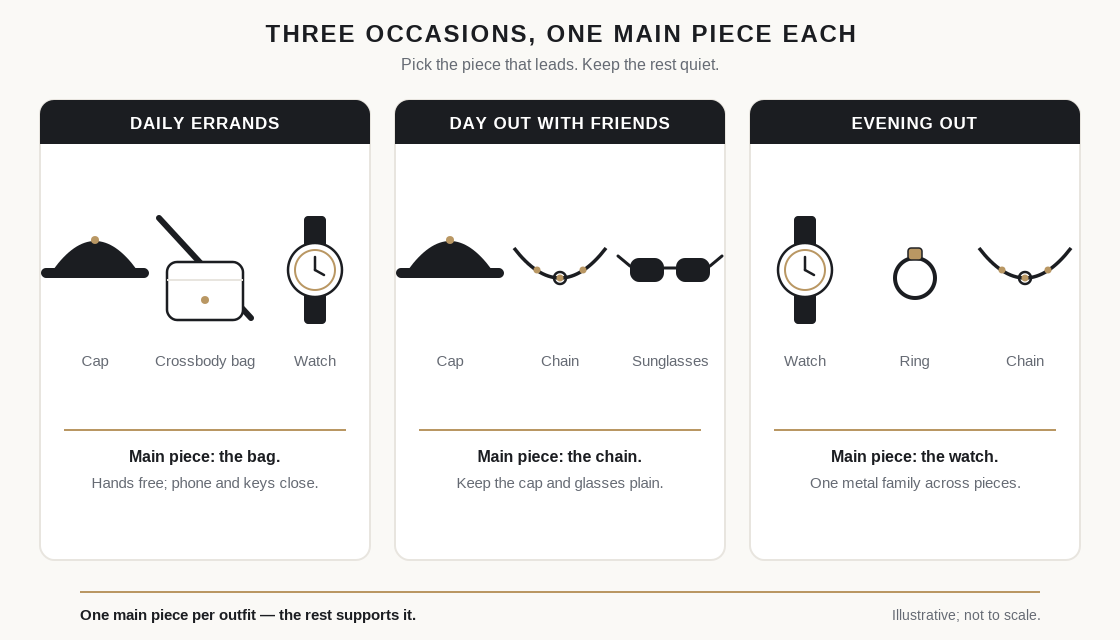
Diagram text equivalent. Three panels. Daily errands: cap, crossbody bag, watch — main piece: the bag. Day out with friends: cap, chain, sunglasses — main piece: the chain. Evening out: watch, ring, chain — main piece: the watch. The rule under all three: one main piece per outfit — the rest supports it.
Before you buy anything, run the starter checklist — it stops most of the spending beginners regret.
- List your days. Write down the three occasions you actually dress for most weeks — errands, days out, evenings — and ignore the occasions that happen twice a year.
- List what you carry. Phone, wallet, keys, and anything else that leaves the house daily. The list decides the bag; the bag does not decide the list.
- Pick one main piece per occasion. Use the matrix above. If two pieces both want to lead, one stays home.
- Check the colors you already own. Your first pieces should repeat colors already in your wardrobe, so each one works with several outfits.
- Check the scale. Compact accessories with closer-cut outfits; larger pieces with relaxed fits. If a piece needs constant adjusting, it is the wrong piece.
- Buy one piece, wear it for two weeks. Add each piece alone and wear it until it stops feeling new. A starter set built this way gets worn more than a cart full of pieces bought in one afternoon.
That is the whole system: function first, one main piece, a small set in colors you already wear, and one new piece at a time.
Conclusion
Start small and build in stages. A bag, a cap and socks are the first three pieces, with a belt as a fourth, and a five-piece set is enough to learn how accessories change an outfit. Let one main piece lead each outfit and keep the rest quiet, so balance comes from proportion and restraint rather than volume. Choose pieces that fit your base colors and your daily use, check the strap, stitching and materials before buying, and add a new piece when you know what it will do. Quality beats a larger collection that does not.
FAQ
How many accessories should I wear at once?
Two to four visible pieces is usually enough — for example a cap, a chain, a bag, and a watch — and one or two is a better starting point. If you are unsure, remove one piece before you leave; the outfit rarely gets worse for it.
Do I need expensive or branded accessories?
No. Fit, condition, and thoughtful styling matter as much as the label. Buy for design, quality, and how often you will use the piece, not for the name on it.
Can a crossbody bag work with a smarter outfit?
Yes, if the bag is plain and structured and the scale fits the outfit — a compact crossbody with tailored shorts reads sharp, while a large slouchy bag with the same outfit reads careless. Keep the color neutral and let the bag be the support piece, not the statement.
What should I buy first if I own nothing?
A plain cap, a small crossbody bag in a neutral color, and one personal piece — a thin chain, a plain ring, or a simple watch. Wear each new piece for about two weeks before adding the next one.
How do I stop an outfit from looking crowded?
Give it one main piece and make the rest quiet. If the tee is loud or the sneakers are bright, the accessories should be plain. If two accessories both demand attention, remove one.
Sources
- Drip Nation — “Best Streetwear Accessories for Men: Hats, Bags, Belts, Jewelry & More” (published 2 July 2026). https://www.dripnationil.com/blogs/blogs/best-streetwear-accessories-for-men-hats-bags-belts-jewelry-more
- Praviceler — “Streetwear Accessories: Must-Have Items for Urban Style” (published 9 October 2026). https://praviceler.com/streetwear-accessories/
- FashionXD — “Men’s Accessories for Beginners: Start With 3” (updated 13 November 2026). https://fashionxd.com/mens-accessories-for-beginners/
All sources accessed 13 November 2026. No hands-on testing was performed; no prices, models, or ratings are stated in this article.
Related Posts

Quick Decision Start with your item list, not the liter number. A 2L bag covers phone, wallet, keys, and earbuds for most days. Go to 3L when a passport, a portable charger, and a sunglasses case join the list. Choose 5L only when a small bottle or a light layer has to come too. Liters […]
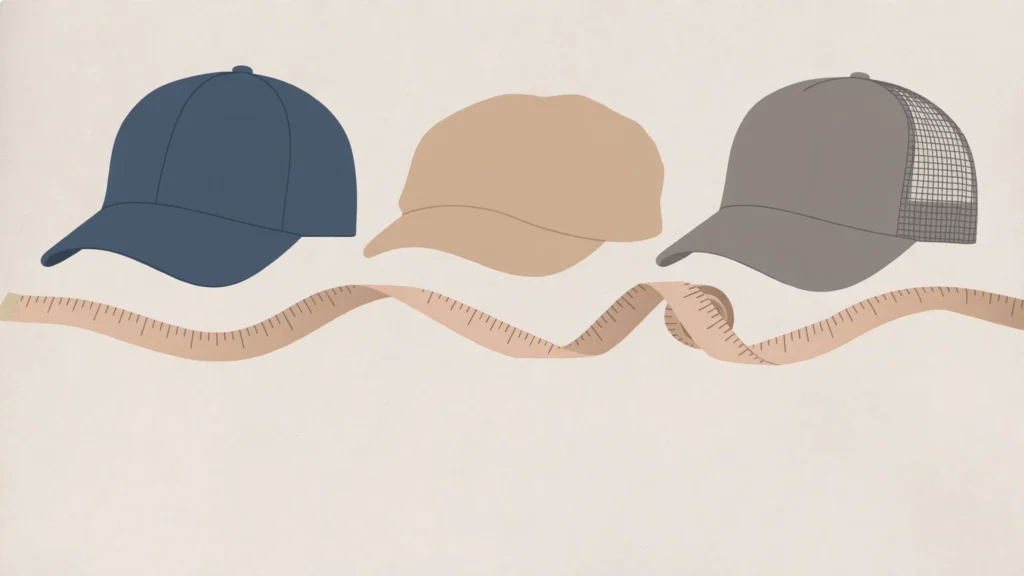
A baseball cap that fits comes down to three checks, in this order: measure your head, read the brand’s size chart, and check the crown depth. Most people do only the first one — and then wonder why a cap in the right size still sits too high, pinches after an hour, or looks bulky. […]

If your daily load is a phone, keys, wallet and earbuds, a sling is enough — and it is the lighter, quicker format for that job. Add a tablet, a notebook and a charger, and you are at the edge of a sling: a larger sling or a small messenger both work. Add a laptop, […]
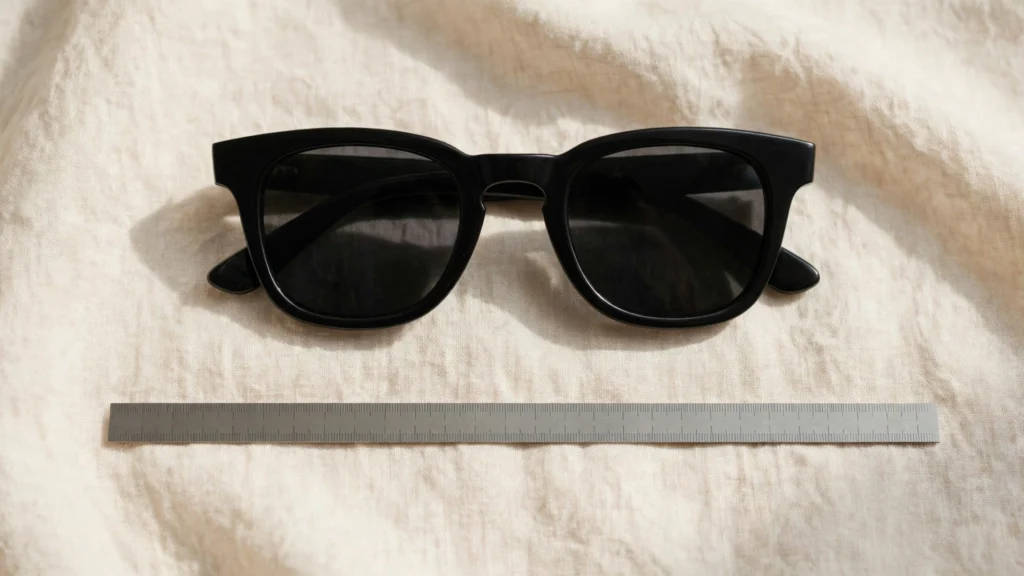
Most sunglasses fit or fail on three numbers printed inside the temple arm — lens width, bridge width and temple length, in millimetres, in that order. A pair marked 52-18-140 has 52 mm lenses, an 18 mm bridge and 140 mm arms. The number that actually decides whether a frame fits your face is a […]
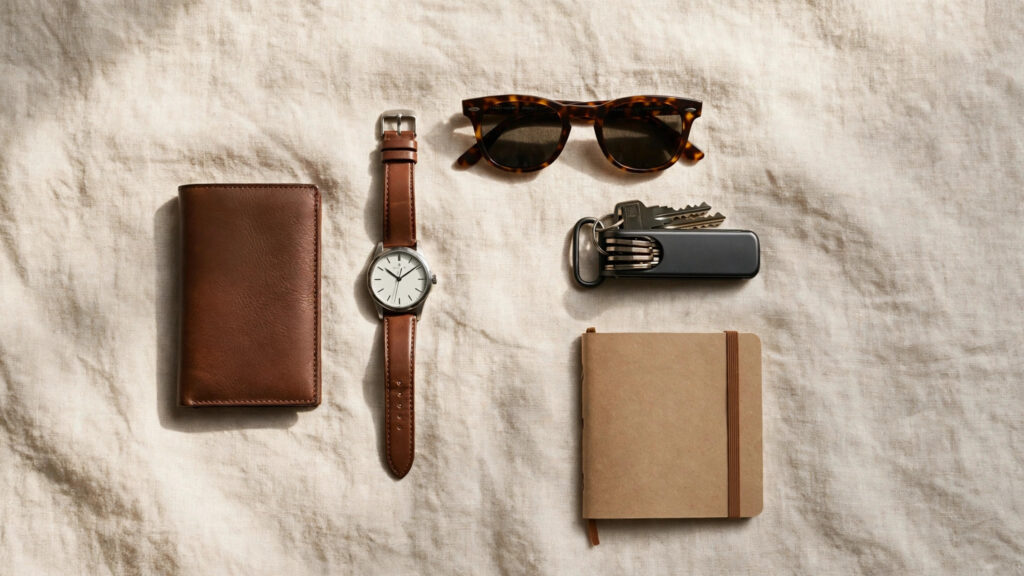
The best everyday carry is personal. It should fit your routine, your pockets and your sense of style — without turning every outing into a packing project. Start with a few reliable essentials, then add only what earns its place. Start With What You Actually Carry Open your pockets and bag and lay everything out. […]