

Everyday Carry Essentials: A Simple Guide for Men
The best everyday carry is personal. It should fit your routine, your pockets and your sense of style — without turning every outing into a packing project. Start with a few reliable essentials, then add only what earns its place.
Start With What You Actually Carry
Open your pockets and bag and lay everything out. Most people carry the same three things every day — keys, wallet, phone — plus a handful of items they rarely touch. The rarely touched items are the ones to question first.
A good everyday carry is built around your actual routine, not someone else’s list. If you drive, a car key and a simple key organizer matter. If you walk and take the bus, a slim wallet and a transit card matter more. If you work at a desk all day, a phone stand or a cable may earn its place; if you are outdoors, sunglasses and a water-resistant pouch might.
The test is simple: if you have not used an item in two weeks, it does not belong in your daily carry. Put it somewhere you can find it when you need it, and leave your pockets lighter. A carry that is easy to grab and easy to put down is one you will actually keep using.
Choose a Wallet That Fits Your Routine
A wallet is the most personal part of everyday carry, and the most common mistake is carrying one that is too big for what it holds. Count your cards first — the ones you use weekly, not the ones you have ever owned. Most people need far fewer slots than they think.
A slim wallet or cardholder suits a routine built on cards and a phone: it sits flat, does not bulge in a pocket, and forces you to keep only what you use. A bifold suits a routine that still needs cash, receipts, or a few extra cards. Neither is better in general — the right one is the one that matches how you pay.
Material matters for how a wallet ages. Leather develops a patina and softens with use, but needs occasional care and can be damaged by water. Fabric and synthetic materials are lighter and easier to clean, but may wear at the edges sooner. Metal cardholders are slim and durable, but can be rigid and may not suit cash. Think about how you treat your pockets: if your wallet shares a pocket with keys, a tougher material or a separate key pouch will keep it looking better longer. Browse Wallets & Cardholders to compare the shapes and materials covered here.
Add Accessories With Purpose
Once the essentials are settled, add one accessory at a time — and only if it solves a real problem.
Sunglasses earn their place if you spend time outdoors or drive in bright light. Fit matters more than style: frames that slide down your nose or pinch behind your ears will stay in a drawer. Check that the lenses suit your needs — darker is not automatically better, and glare from water or roads is a different problem from brightness. See Sunglasses.
A watch earns its place if you like checking the time without reaching for your phone, or if you want one piece that finishes an outfit. Everyday watches should be comfortable, readable at a glance, and suited to your day — a watch that cannot handle rain or a knock against a desk is a poor daily choice. Strap material affects comfort as much as the case does: try leather, fabric, and metal to see what your wrist prefers. See Everyday Watches.
A key organizer earns its place if loose keys scratch your phone or jingle in your pocket. A simple organizer or a small pouch keeps keys flat and quiet, and keeps them separate from anything with a screen.
A small bag or crossbody earns its place when pockets are not enough — a tablet, a book, a water bottle, or a charger. Choose one that fits your load without inviting you to carry more than you need. See Crossbody Bags when that category is populated.
Think About Durability and Maintenance
Everyday carry items are used daily, so durability is not a luxury — it is the point. But durability means different things for different materials.
Leather goods benefit from being kept dry and conditioned occasionally; a soaked leather wallet that dries in the sun can stiffen and crack. Fabric items can usually be cleaned with mild soap and air-dried, but should not go in a hot dryer. Metal items are hard to damage but can scratch other things in the same pocket. Sunglasses last longer in a hard case than in a pocket, and lenses should be cleaned with a cloth, not a shirt sleeve, which can grind dust into the coating.
The honest maintenance question is: will you actually do it? A wallet that needs monthly care is a poor choice for someone who will never do it. Choose materials whose care routine matches your habits, not your intentions.
Build a Simple Personal Checklist
Use this matrix to build a carry that fits your day, not someone else’s.
| Your day | Start with | Consider adding | Leave behind |
|---|---|---|---|
| Office and desk work | Wallet, phone, keys | Watch, small pouch for cables | Anything you have not used in two weeks |
| Driving most of the day | Wallet, phone, keys | Sunglasses, key organizer | Loose coins and old receipts |
| Walking and public transport | Slim wallet, phone, keys | Crossbody bag, cardholder | Heavy items that make the bag sag |
| Outdoors and weekends | Wallet, phone, keys | Sunglasses, watch, small pouch | Fragile or high-maintenance pieces |
Checklist before you buy anything new:
- I can name the problem this item solves in my daily routine
- It fits my pockets or bag without forcing a bigger bag
- Its size, weight, and material suit how I actually treat my things
- I know how to clean and care for it — and I will do it
- It works with what I already carry (keys, phone, wallet) instead of fighting it
Browse Useful Categories
Start with Men’s Essentials for the full picture, then Everyday Carry for the core pieces. From there, Wallets & Cardholders and Sunglasses cover the two items most people choose first. The same habit — choose fewer, better things — works beyond your pockets: if you are setting up a workspace, How to Build a Clean Gaming Desk Setup on a Budget applies the same idea to a desk, and if you drive, How to Choose a Car Phone Mount That Fits Your Car helps you pick one small car upgrade that actually gets used.
Related Posts

Quick Decision Start with your item list, not the liter number. A 2L bag covers phone, wallet, keys, and earbuds for most days. Go to 3L when a passport, a portable charger, and a sunglasses case join the list. Choose 5L only when a small bottle or a light layer has to come too. Liters […]
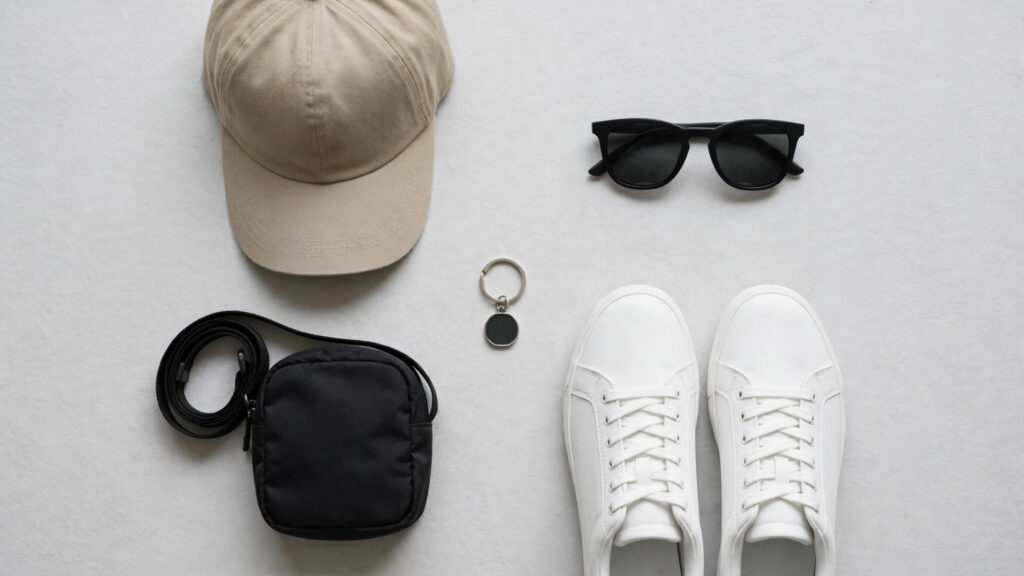
Quick Decision Start with function, not with a shopping list. Pick one main accessory that solves a real need — a bag because you carry things, a cap because you are outside, a chain because the outfit needs one clear detail — and keep everything else quiet. Three starter pieces cover almost every day: a […]
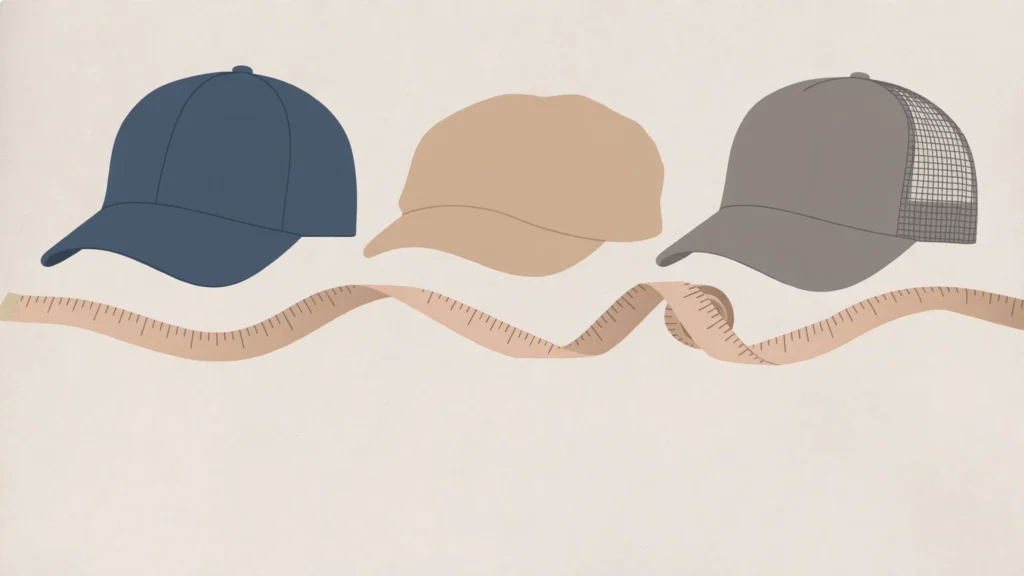
A baseball cap that fits comes down to three checks, in this order: measure your head, read the brand’s size chart, and check the crown depth. Most people do only the first one — and then wonder why a cap in the right size still sits too high, pinches after an hour, or looks bulky. […]

If your daily load is a phone, keys, wallet and earbuds, a sling is enough — and it is the lighter, quicker format for that job. Add a tablet, a notebook and a charger, and you are at the edge of a sling: a larger sling or a small messenger both work. Add a laptop, […]
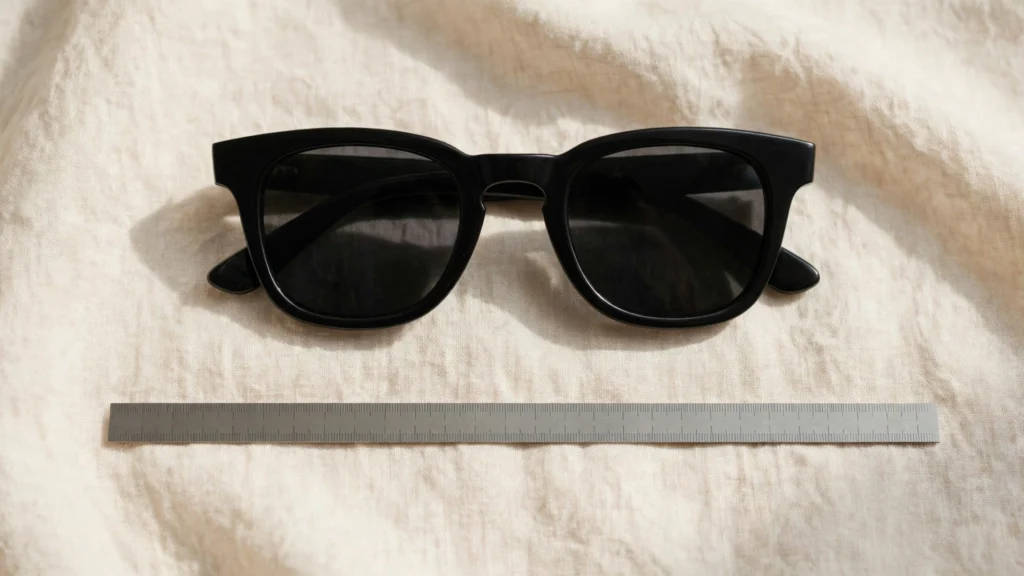
Most sunglasses fit or fail on three numbers printed inside the temple arm — lens width, bridge width and temple length, in millimetres, in that order. A pair marked 52-18-140 has 52 mm lenses, an 18 mm bridge and 140 mm arms. The number that actually decides whether a frame fits your face is a […]